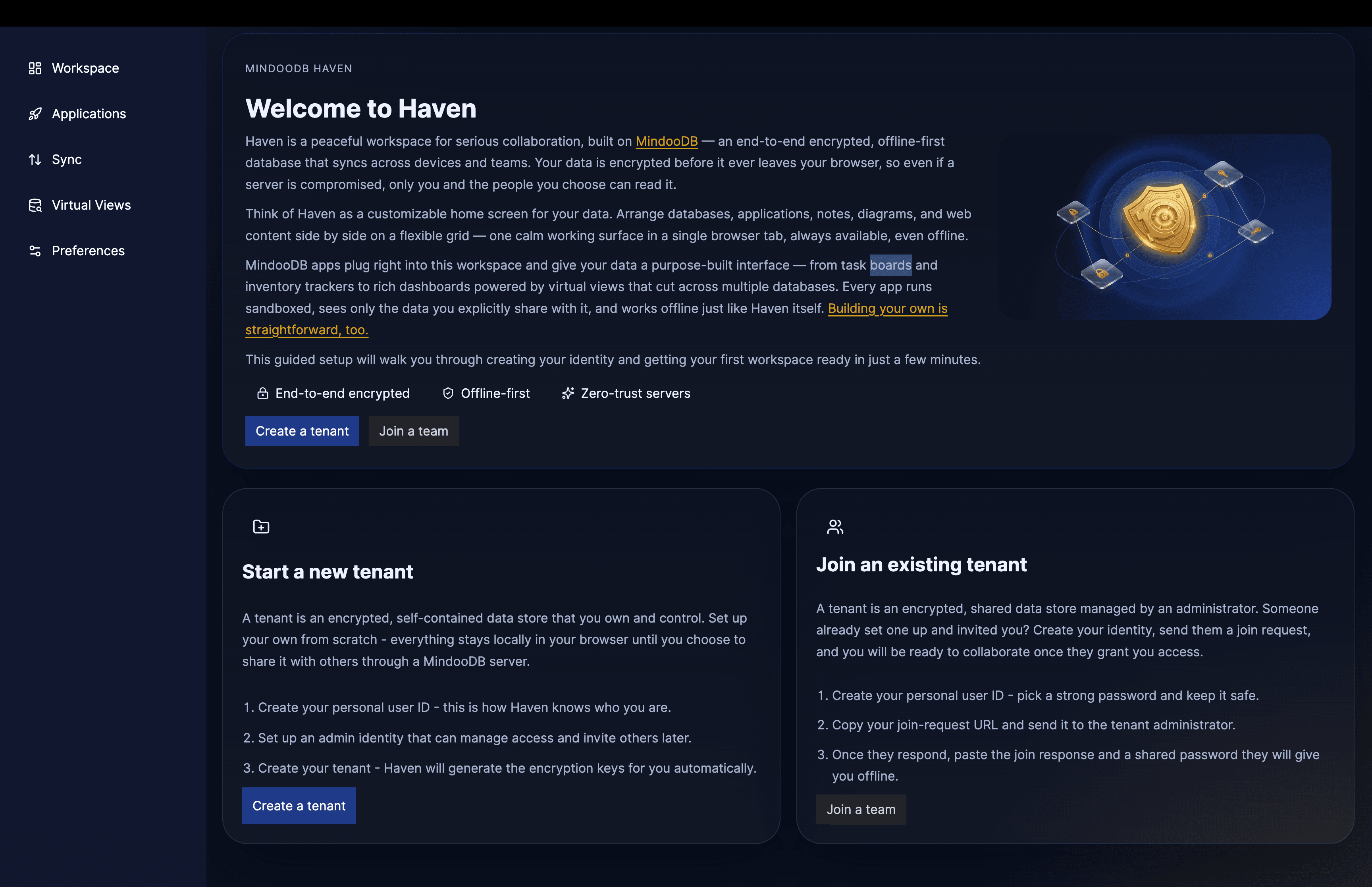
Mindoo Vega Mind map and Kanban in one embedded app
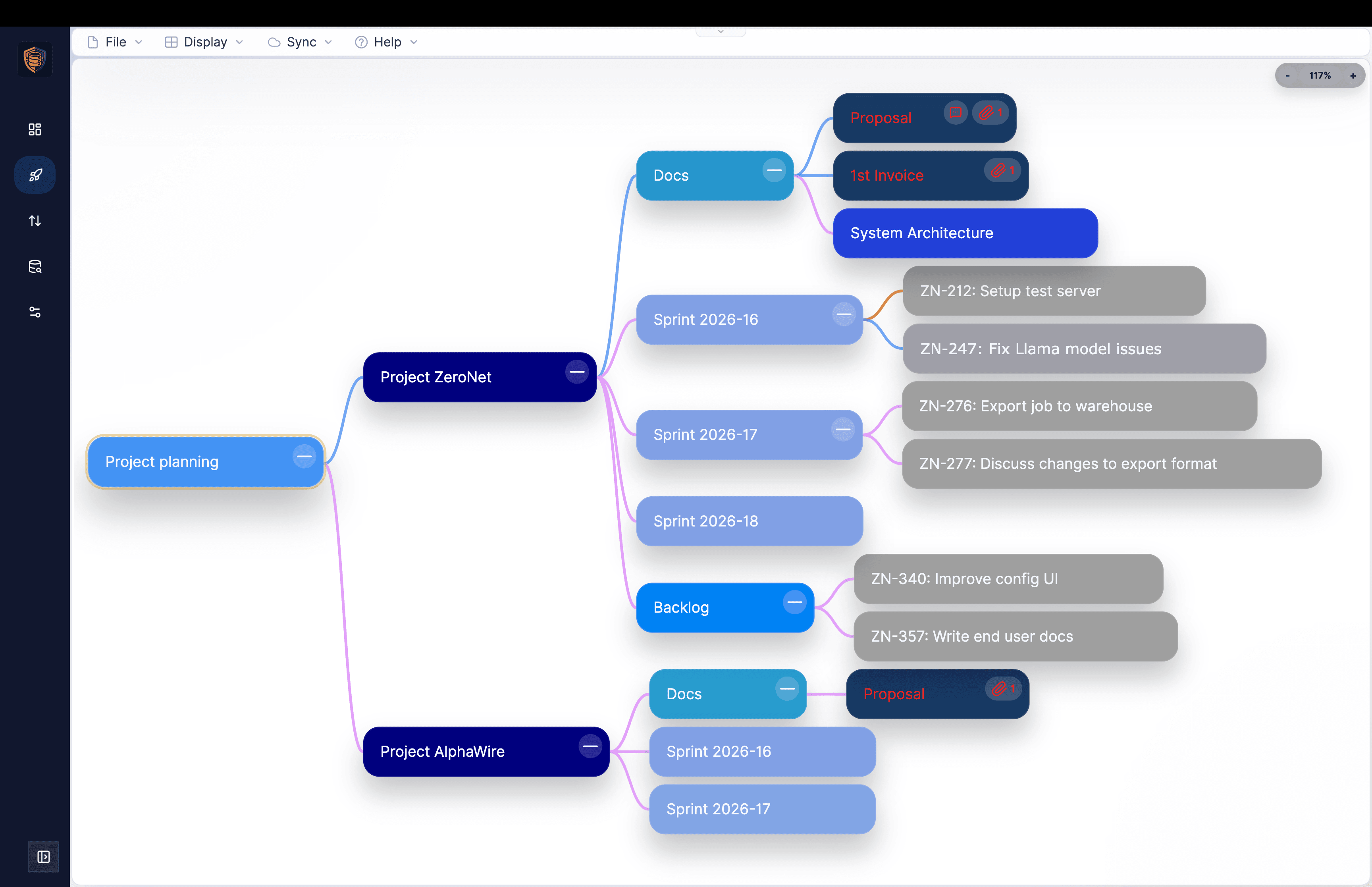
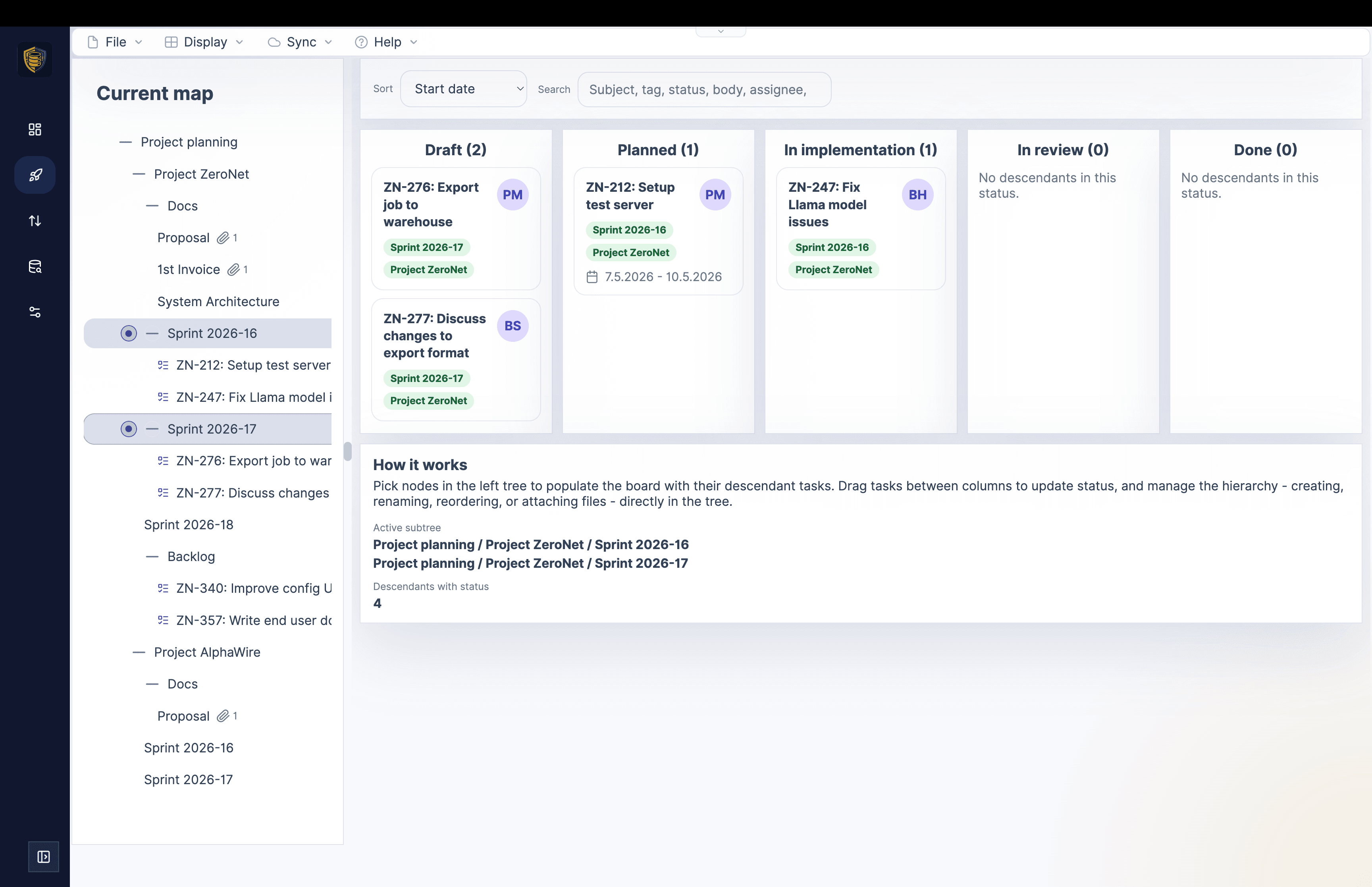
Haven è un'area di lavoro collaborativa e tranquilla per note, file, app e dati - cifrata end-to-end, su ogni dispositivo, con la cronologia completa di ogni modifica.
Manca un'app?
Descrivila e l'App Builder integrato la scrive, la pubblica e la installa per te - senza programmare. Tutto gira su MindooDB, un database di sincronizzazione local-first e open source che puoi ospitare nella tua giurisdizione; il server vede sempre e solo testo cifrato - vera sovranità dei dati, senza rinunciare alla collaborazione in tempo reale.
Le chiavi restano sul client, nessun testo in chiaro sul server. Le app vedono solo ciò che condividi esplicitamente. Un controllo degli accessi granulare stabilisce chi può creare, modificare o eliminare i documenti - applicato crittograficamente, anche offline.
Merge basati su Automerge, tenant condivisi e un flusso di onboarding guidato per far entrare i team.
Gira come PWA su iOS, Android e desktop. Aggiungi più istanze per lavoro, uso privato e demo.
Uso locale completo, con backup integrato e sincronizzazione flessibile: solo invio, solo ricezione o bidirezionale.
Descrivi l'app che manca al tuo team e l'App Builder la scrive, la ospita e la installa - senza programmare. Oppure creala tu con il MindooDB App SDK.
Quando acquirente, venditore e legali lavorano alla stessa operazione riservata, ogni parte mantiene il proprio tenant. Haven riunisce in un'unica area di lavoro i documenti condivisi, le Q&A e le attività di chiusura - mentre il server vede sempre e solo testo cifrato, e ogni modifica diventa un nodo firmato in un DAG a prova di manomissione.

Due conduttori IA · ~23 min · generato con NotebookLM
Un approfondimento disteso su come Haven trasforma MindooDB in un'area di lavoro nel browser: dati cifrati end-to-end con chiavi che non lasciano mai il dispositivo, repliche locali per lavorare veloci anche offline, merge basati su CRDT con una cronologia delle modifiche a prova di manomissione, aree di lavoro di più tenant rigorosamente separate, app su misura e viste virtuali che uniscono dati di contesti diversi. Un'introduzione alla piattaforma divertente e alla portata di tutti.
Con pagine, Chicklet e gruppi disponi database, applicazioni, note, contenuti web e media esattamente come ragiona il tuo team. Haven diventa la schermata iniziale tranquilla dei tuoi dati cifrati.
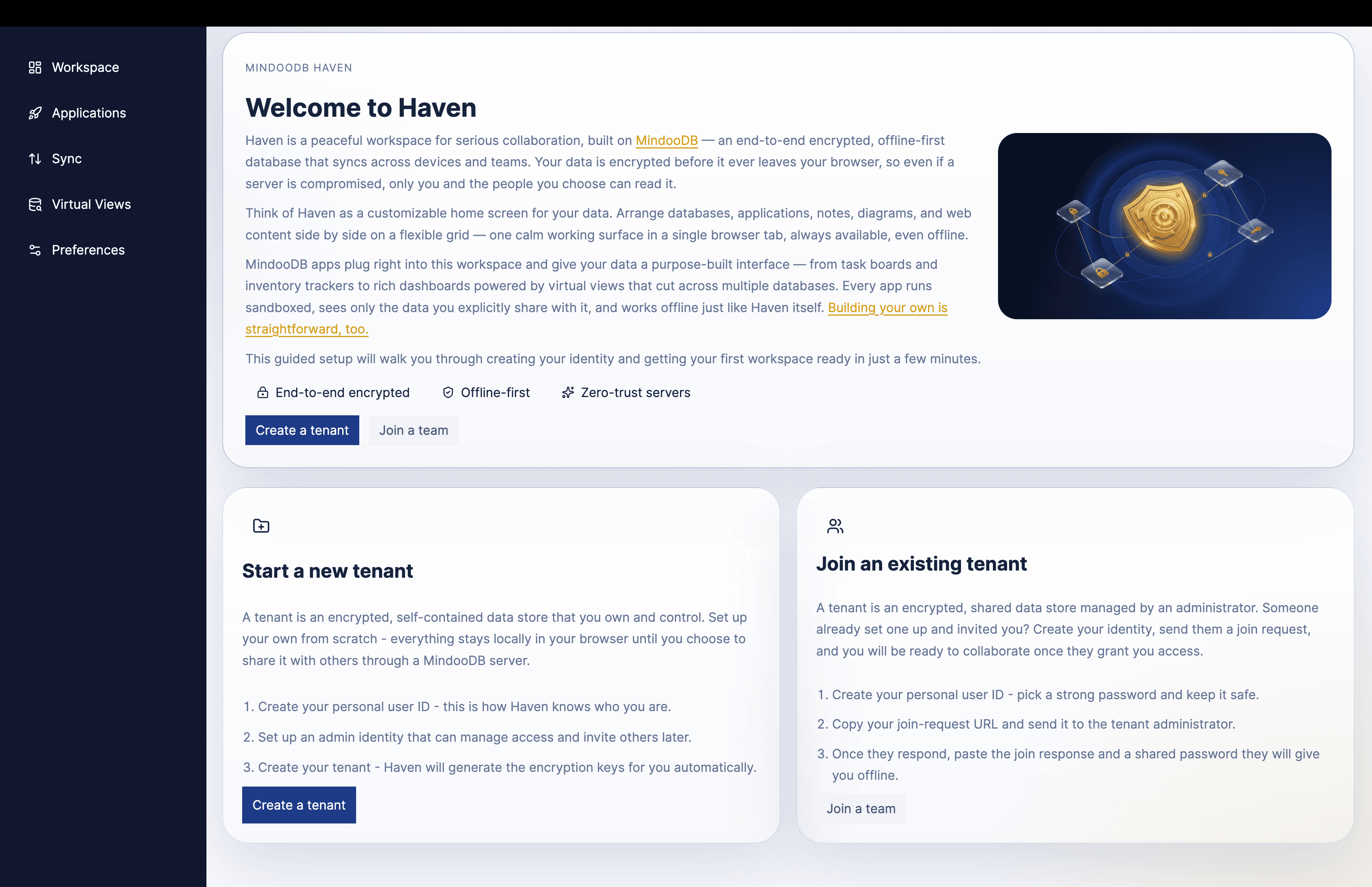
Haven non è un mockup concettuale. È un prodotto funzionante che già oggi riunisce nel browser navigazione, organizzazione dell'area di lavoro, ricerca, accesso ai database e flussi di lavoro local-first.
Click the workspace screenshot to inspect a much taller Haven page with notes, media, running apps, mind maps, Kanban boards, and Mermaid tiles in one real workspace.
Le applicazioni possono girare incorporate nell'area di lavoro di Haven oppure in una scheda propria, accedere a database e viste selezionati ed essere distribuite come app web ospitate esternamente o come bundle ospitati da Haven, che il service worker serve anche offline. E non devi scriverne una per averla: l'App Builder trasforma una descrizione in un'app distribuita e installata.
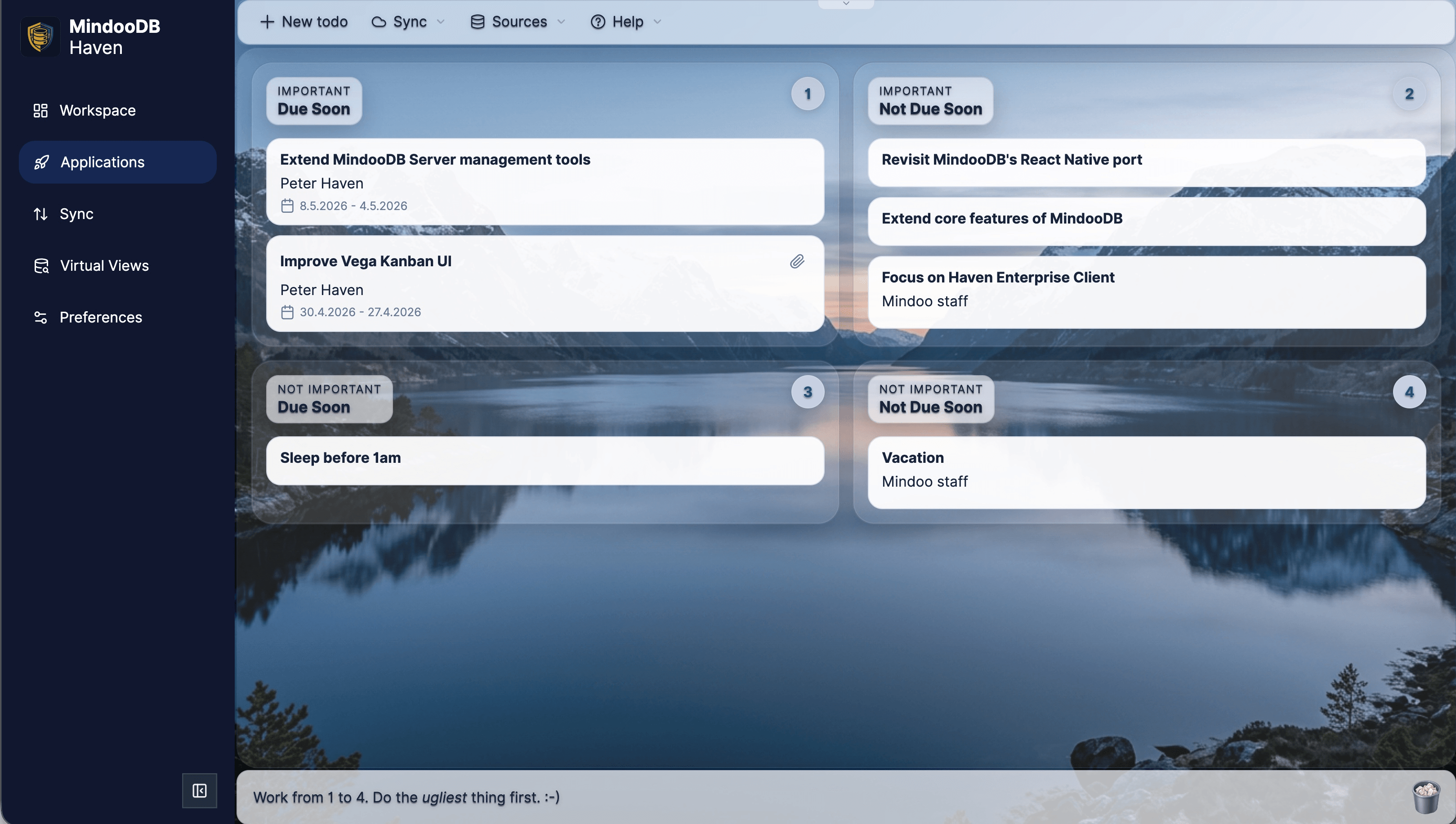
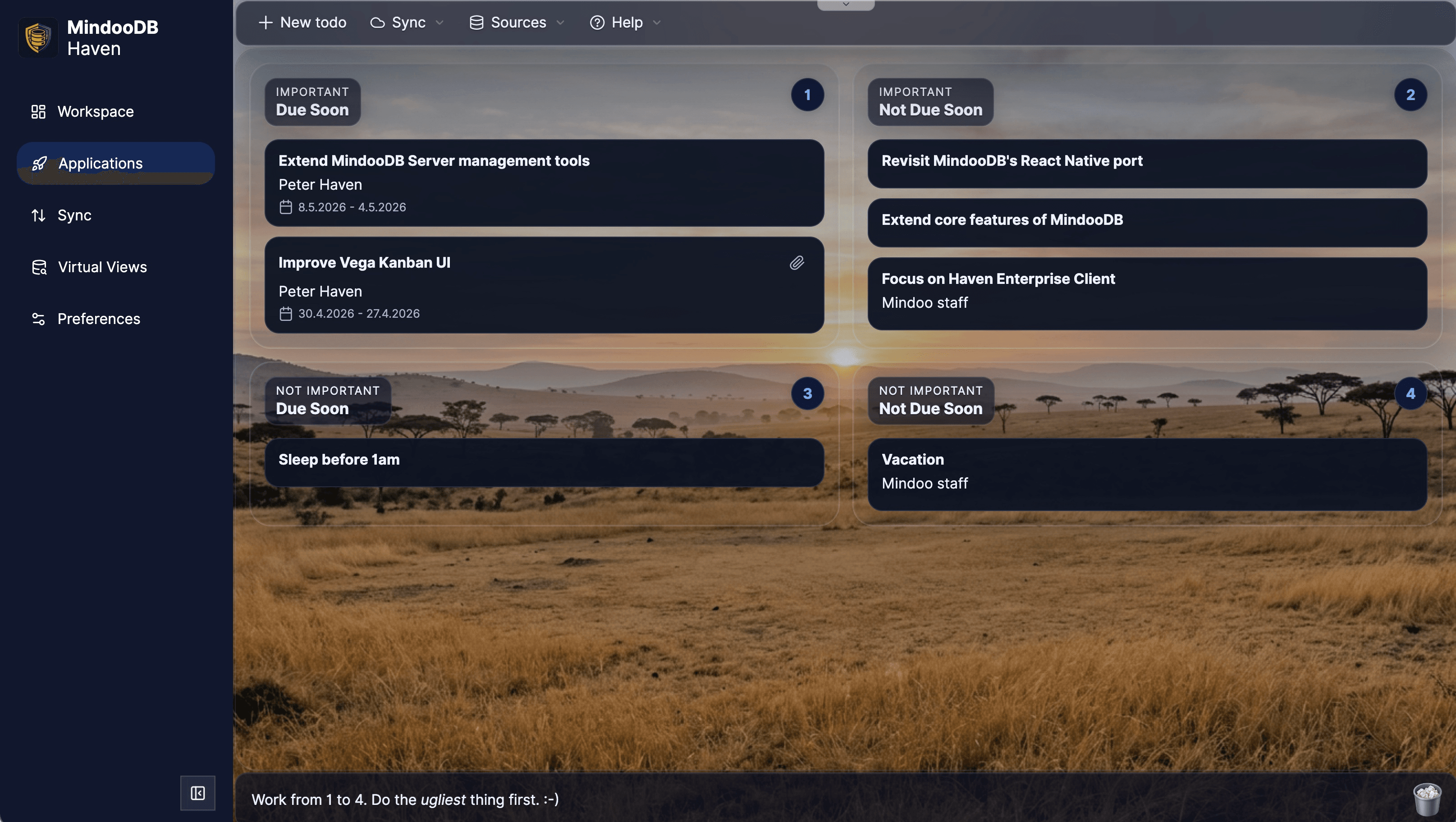
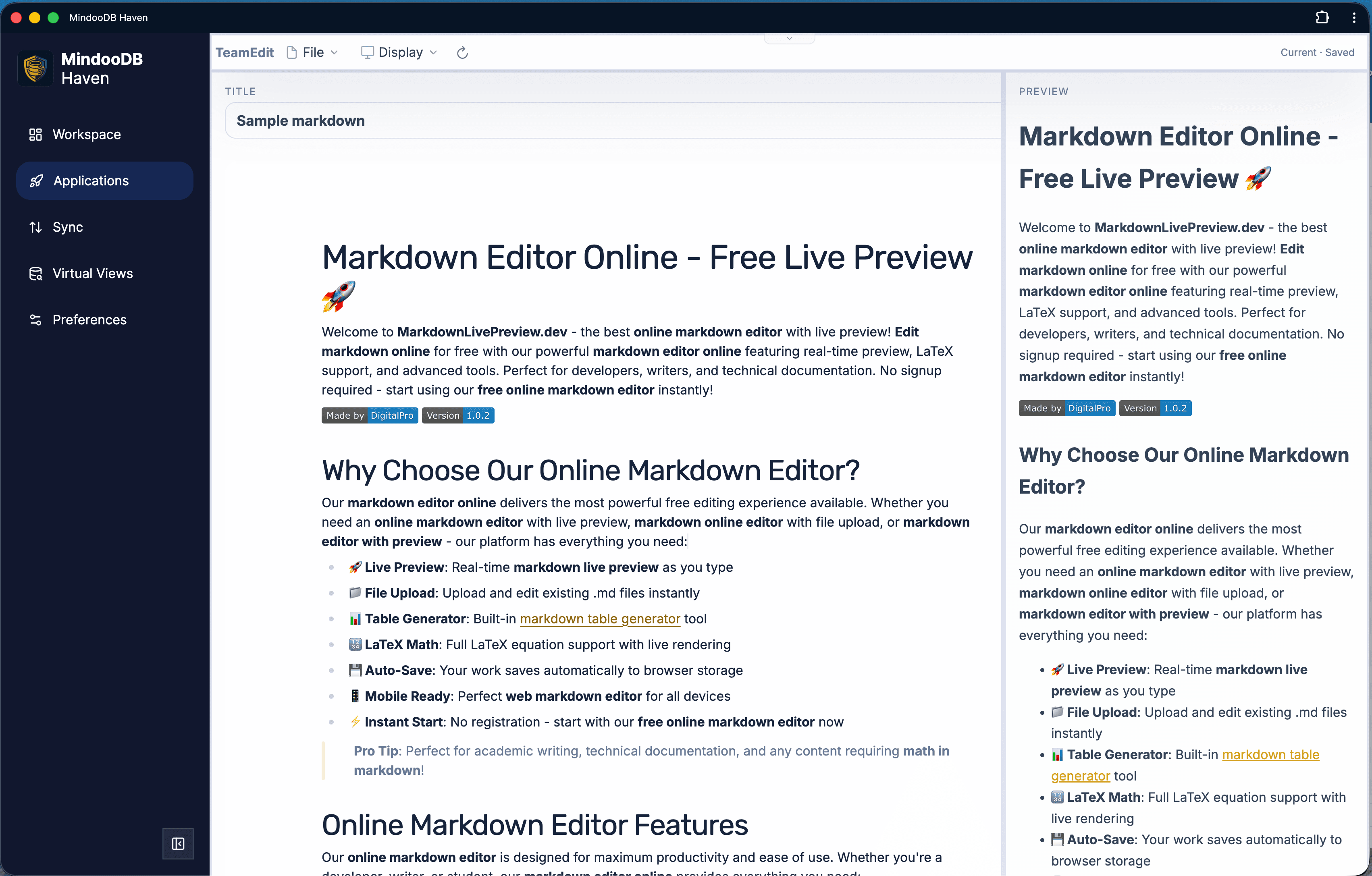
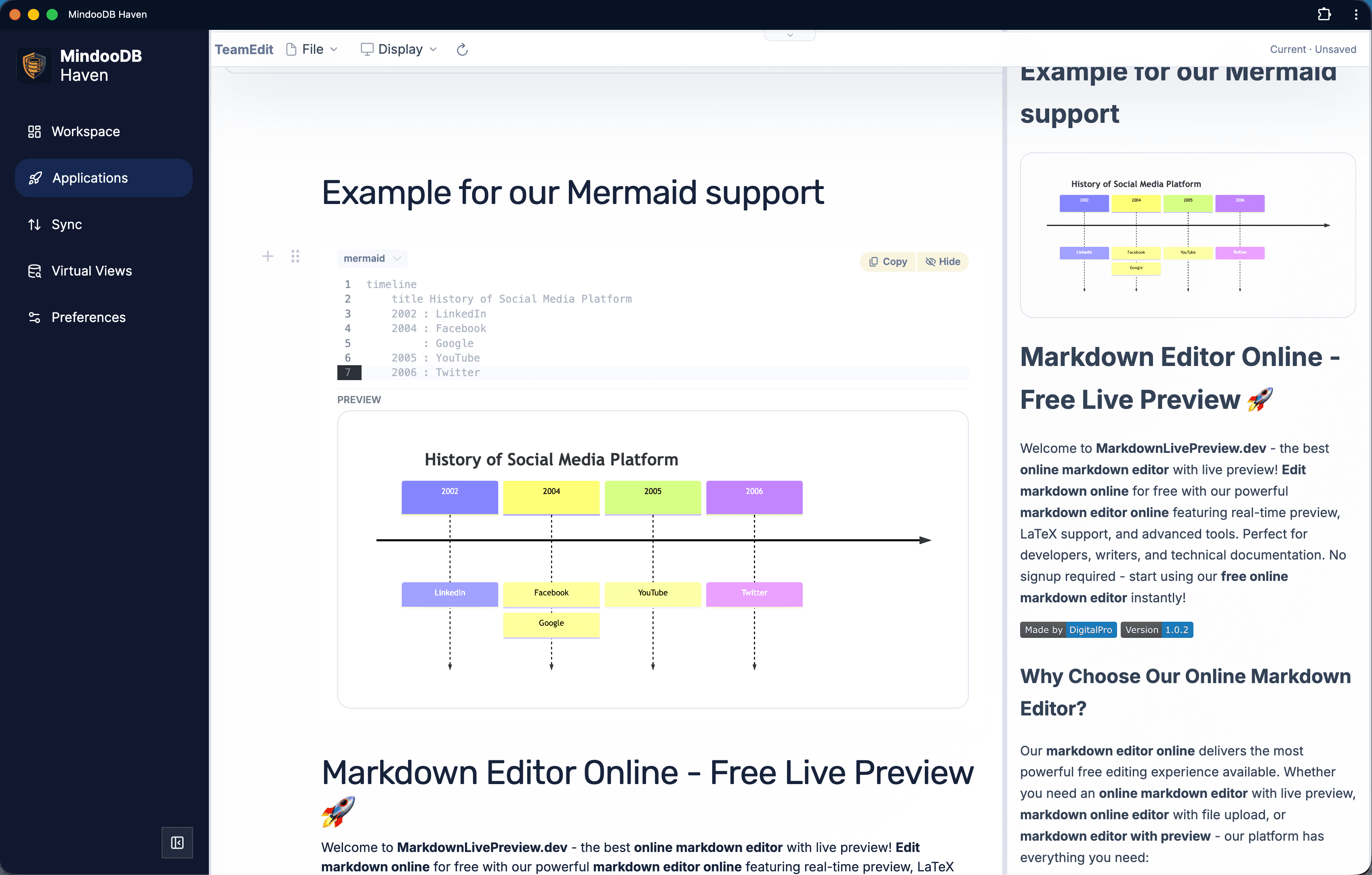
Haven eredita il modello di fiducia di MindooDB. I dati vengono cifrati sul client prima di lasciare il dispositivo, le app girano in iframe in sandbox con permessi granulari e l'esploratore DAG rende verificabile la collaborazione.
Haven Community funziona in tre topologie. Scegli quella adatta al tuo flusso di lavoro - puoi passare dall'una all'altra senza cambiare client.
Crea tenant e database completamente offline. Nessun server, nessuna sincronizzazione - ideale per l'uso personale, le bozze e le demo offline.
Trasferisci un tenant locale sul server demo ospitato e invita collaboratori veri. I dati demo vengono cancellati periodicamente - servono a valutare, non alla produzione.
Punta Haven su un server MindooDB che gestisci tu. Per la configurazione vedi README-server.md.
La PWA Haven su haven.mindoodb.com. Gratuita già oggi, uso locale completo, server demo facoltativo e self-hosting su un tuo server MindooDB.
Branding personalizzato, interfaccia e aree di lavoro gestite, app store interno, roaming delle aree di lavoro, backup automatico, modifica degli allegati in linea e altro ancora - da Mindoo GmbH.
Aggiornamenti di prodotto e note di implementazione dall'ecosistema MindooDB.
23 settembre 2026
Haven has been extensible through apps for a while: the MindooDB App SDK, a set of context files a coding agent can read, and a reference app to fork. That works - and it still asks you to care about where the code lives, who hosts it, and how the result reaches Haven. The new App Builder, itself an app in Haven's App Store, removes all of it. Connect GitHub, Cloudflare and Cursor once, then type a name and a few sentences about the app you are missing and press one button: the builder creates a private repository from a starter template, writes your brief into it, reserves a web address on Cloudflare, wires push-to-deploy, waits for the app to answer, hands it to Haven for installation, and sets a Cursor cloud agent to work - which you can then watch draw an icon, write the app and click through it in a browser. What comes out is an ordinary MindooDB App with its own repository and its own address, and it is safe to run because none of Haven's app isolation changed: sandboxed iframe, logical database ids, permissions you granted at install time, and a network allowlist that blocks anything the app was not allowed to call.
22 settembre 2026
Haven clients can now sync directly with each other over the Iroh network, with no server in the middle: two devices of the same tenant converge device to device, carry on collaborating while the server is down, and hand over the complete signed history afterwards. It arrived as the side effect of solving a duller problem. The crazy-hardware series proved that a MindooDB server fits inside a phone, an Orange Pi and a Wi-Fi router - and then left every one of them sitting at a LAN address. At Local First Conf in Berlin I watched Brendan O'Brien present Iroh: endpoints identified by public key rather than DNS name, QUIC, relays when NAT gets in the way, and a Rust library that compiles to WebAssembly. Both the MindooDB server and the Haven client now speak it, so pasting a ticket into Haven makes the box in the cupboard reachable with no DynDNS, no port forward and no certificate. And once that runtime was in the browser, peer-to-peer sync was a change of argument rather than a change of code path.
12 settembre 2026
First an emulated x86_64 VM on an iPhone, then an Orange Pi Zero 3W with eight cores and 6 GB of RAM. This time the host is the box that was already in the room doing another job: a GL.iNet Flint 2 AX6000 Wi-Fi router - four ARM64 cores, 1 GB of RAM, 8 GB of eMMC and OpenWrt. It was the bumpiest setup of the three, and both potholes were OpenWrt's: Docker's bridge DNS could not resolve the npm registry during the build, and nftables would not hairpin the published port afterwards. Both are now handled by serversetup.sh itself. After that the server minted its identity in 1661 milliseconds, and Haven pushed a Teacher's Desk tenant to the thing that hands out our Wi-Fi.